

Your Window Treatment Consultation Checklist
- Steven Davidson

- 12 minutes ago
- 6 min read
The right window covering can make a sunny Florida room feel calm, private, and comfortably cool. A window treatment consultation checklist helps you arrive at that decision with clarity, whether you are furnishing a new home in The Villages, replacing aging blinds, or finally addressing that one room that gets far too much afternoon glare.
An in-home consultation is not a test you need to study for. It is a conversation about how you live, what you want to see in your home, and which custom solution will perform well at each window. A little preparation simply helps your consultant offer better recommendations from the start.
Start With How Each Room Is Used
Before your appointment, walk through your home at different times of day. Notice where the sun lands, which rooms feel exposed at night, and where you need easy light control. The best treatment for a formal dining room may be very different from what works in a primary bedroom, a home office, or a sliding glass door.
Think beyond the window itself. Ask what happens in the room on an ordinary day. Do you watch television there? Read in the morning? Host guests? Need to keep a pet from peeking through or tangling with cords? A beautiful treatment should support daily life, not create another thing to manage.
It is helpful to identify the top priority for every room: privacy, glare reduction, darkness for sleep, energy efficiency, a softer look, or a clear view outside. Some rooms will have two priorities, and that is where professional guidance is especially valuable. For example, a living room may need filtered daylight without sacrificing privacy, while a bedroom may call for room-darkening shades paired with a decorative layer.
What to Bring to a Window Treatment Consultation
You do not need measurements. A professional installer will measure every opening precisely, and those measurements should guide the final order. What helps most is sharing the information that shows the character and needs of your home.
Bring or have ready:
Photos of rooms you are updating, especially if furniture, rugs, or artwork are still being selected.
Paint colors, flooring samples, fabric swatches, or a photo of a favorite piece that sets the room’s style.
A realistic investment range for the project, even if it is a broad range.
Notes about light, privacy, heat, safety, and operating concerns for each room.
Any inspiration photos that show colors, textures, or treatment styles you genuinely like.
There is no need to force yourself into a single style before the appointment. Inspiration is useful, but it should be balanced with the architecture of your home and the practical demands of the room. A woven wood shade may bring beautiful warmth to a casual gathering space, for example, but a honeycomb shade may be the stronger choice when insulation and a clean, tailored appearance matter most.
Review Your Windows Before the Appointment
A quick look at the windows themselves prevents surprises and makes the consultation more productive. Check whether furniture blocks access, whether the windows tilt in for cleaning, and whether handles or cranks project into the area where a shade or blind would sit. Make a note of any doors, transoms, unusually shaped windows, or large openings.
For sliding glass doors and wide patio openings, operation matters as much as appearance. Vertical sheers can provide soft light control and easy access, while panel-style solutions or other vertical options may better suit a particular layout. The right answer depends on how often the door is used, how much space is available beside it, and how you want the room to feel.
Also point out any existing window films, alarm sensors, trim details, or plantation shutters elsewhere in the home that you would like to coordinate. Consistency can create a polished look, but every room does not have to match exactly. Related colors, materials, and proportions often create a more welcoming result than repeating the same product everywhere.
Questions to Ask About Light and Privacy
Florida light is one of the joys of living here, but it can also fade furnishings, create screen glare, and make a room uncomfortable at the hottest part of the day. During your consultation, describe the direction each window faces and when the light becomes a problem. Morning sun and west-facing afternoon sun can call for very different strategies.
Ask to see how different fabrics and slat options look when backlit. A shade that appears opaque in a sample book may still allow a soft silhouette at night when interior lights are on. If privacy is essential, say so plainly. Your consultant can explain the difference between light filtering, privacy fabrics, room darkening, and blackout options.
For homes with a beautiful view, the goal is often not to cover it up. Horizontal sheer shades, solar-style roller shades, zebra shades, and carefully selected woven woods can soften the sun while preserving a connection to the outdoors. The trade-off is that more view-through can mean less nighttime privacy, so the best choice may involve layering or selecting a more versatile fabric.
Decide How You Want Treatments to Operate
Operation is easy to overlook until you are standing at a tall window, reaching over a sofa, or opening the same shade several times a day. Tell your consultant which windows are hard to reach and which ones you use most often.
Motorized window treatments can be a wonderful fit for high windows, large rooms, or homeowners who want convenient control over morning light and evening privacy. They can also make routines easier, such as lowering shades during the hottest hours or raising them to welcome the day. However, motorization is an added investment, and not every window needs it. Manual options remain dependable, attractive, and practical for many spaces.
Ask about battery-powered and hardwired choices when motorization is under consideration. Battery-powered solutions can work well in many finished homes, while hardwiring may make sense during construction or a major renovation. The best option depends on access, number of windows, desired controls, and budget.
Consider Style Alongside Performance
A consultation should feel like a chance to see your home in a new light, not a pressure-filled design decision. Your consultant can bring samples into the actual room, where paint color, flooring, furniture, and natural light reveal what will truly work. This is far more reliable than choosing from a small swatch under store lighting.
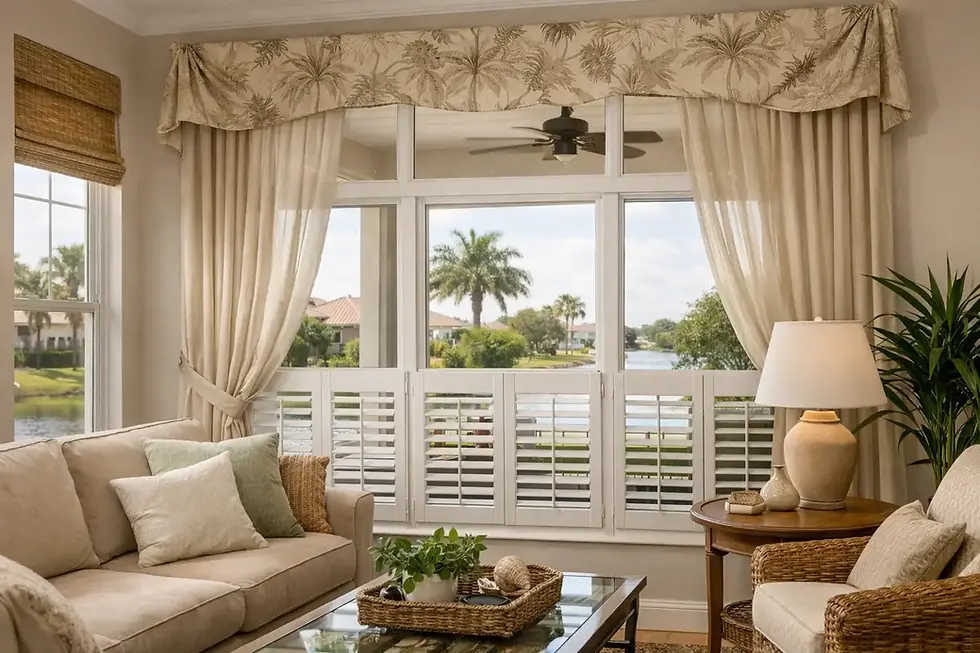
Plantation shutters offer architectural presence, lasting appeal, and adjustable light control. Faux wood blinds bring a classic look with everyday durability, especially in humid areas. Roller shades feel clean and modern, Roman shades add softness, and honeycomb shades are often favored for their energy-saving design. Each option has strengths, and there is no single “best” choice for every home.
Be open about maintenance, too. Smooth roller shades may be especially easy to care for in a busy home, while textured woven woods add visual character but may need gentler cleaning. If you have pets, grandchildren, allergies, or a preference for a low-maintenance home, those details belong in the conversation.
Use This Window Treatment Consultation Checklist for Budget Decisions
Custom window treatments are priced according to more than window width and height. Product type, material, lining, controls, specialty shapes, and installation requirements all affect the final cost. That is why it helps to discuss your full project early, even if you plan to complete it in phases.
A thoughtful consultant can help you decide where to invest first. You may choose premium shutters for prominent front-facing rooms and a more budget-conscious shade for a guest room. Or you may prioritize motorization in a main living area while keeping secondary spaces simple. The goal is not to select the most expensive option. It is to choose treatments that give your home the comfort, beauty, and value you will notice every day.
Ask what is included in the proposal, how installation will be handled, and what timeline to expect after ordering. Custom products take time to make, and accurate expectations make the process feel much easier. Starr Light Blinds brings the showroom to your home so selections, measurements, and design guidance can happen in the space where the treatments will live.
Make the Most of the In-Home Visit
If possible, schedule your appointment when the rooms are getting the light you want to discuss. Open existing blinds or curtains so your consultant can see the windows fully. Move small breakable items away from the window area, but do not worry about rearranging your entire home.
Most of all, be honest about what is not working. Perhaps you are tired of cords, frustrated by a bare window near the front door, or ready to make a new home feel finished. Those details lead to the most personal recommendations. A well-planned window treatment does more than cover glass - it shapes light, defines spaces, and helps your home feel more like yours.


Comments