
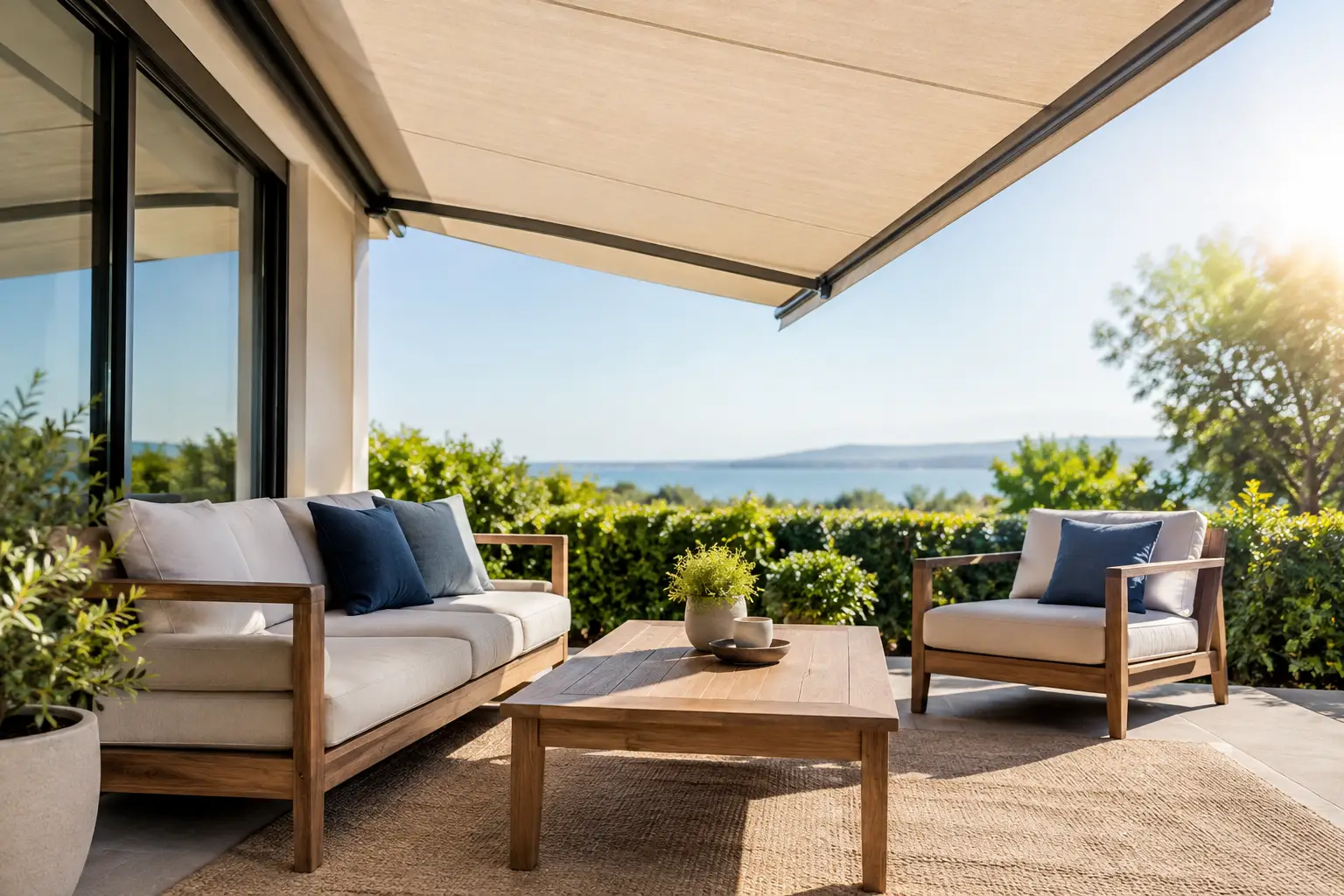
Can Shades Protect Furniture From Sun Damage?

That sunny Florida room may be one of the reasons you fell in love with your home, but the same bright light can quietly fade a favorite sofa, discolor hardwood floors, and leave artwork looking tired. Can shades protect furniture from sun damage? Yes - when they are selected for the way your windows face, the amount of light they receive, and how you use the room.
At Starr Light Blinds, we help homeowners shape light without giving up the welcoming feel of a bright home. The goal is not to make every room dark. It is to soften harsh rays, preserve the pieces you have invested in, and make your home more comfortable throughout the day.
How Shades Protect Furniture From Fading
Sun damage is not caused by heat alone. Ultraviolet light is the biggest concern, but visible light and solar heat also contribute to fading and deterioration over time. Upholstery fibers can weaken, wood finishes can change color, leather can dry out, and rugs may develop noticeably lighter areas where the sun reaches them every afternoon.
Window shades create a barrier between direct sunlight and your furnishings. Depending on the material and openness of the shade, they can filter a meaningful amount of UV exposure while still allowing natural light into the room. A well-fitted treatment also gives you the control to lower shades when the sun is strongest and raise them when you want a clear view.
No window covering can promise that a sunlit fabric or finish will never change. Even indirect daylight has an effect over many years. Still, the right shades can dramatically slow the process, especially in rooms with large west-facing, south-facing, or unshaded windows.
The Difference Between UV Protection and Room Darkening
A shade does not need to be blackout to help protect furniture. In fact, many homeowners prefer light-filtering fabrics because they reduce glare and harsh exposure while keeping the room open and cheerful. Solar roller shades, horizontal sheer shades, and certain cellular shades can be excellent choices when preserving a view and maintaining daylight matter most.
Blackout shades offer a higher level of light control and are especially useful in bedrooms, media rooms, and spaces with delicate furnishings that receive intense direct sun. They are not always the best fit for a main living area, though. If you enjoy the morning light in your kitchen or living room, a softer filtering option may provide the right balance.
The best choice depends on the room. A bright sitting area may benefit from a light-filtering shade that stays down during peak afternoon sun. A bedroom with expensive bedding, wood furniture, and a strong sunrise may call for room-darkening fabric. Protection works best when it also fits your daily routine.
Can Shades Protect Furniture While Keeping the View?
They can, and this is where custom window treatments make a real difference. Many homeowners assume the only way to protect a room is to close off the windows completely. Modern shades offer more flexibility than that.
Solar roller shades are a popular option for rooms with a beautiful outdoor view. Their woven fabric filters sunlight and reduces glare while allowing you to see outside during the day. The openness factor matters: a tighter weave generally provides greater privacy and sun control, while a more open weave preserves a clearer view. During an in-home consultation, it is helpful to see samples at the actual window, because the same fabric can look different depending on the direction of the light.
Zebra shades are another flexible choice. Their alternating sheer and solid fabric bands allow you to shift between filtered light, more privacy, and a more closed position without raising the entire treatment. For homeowners who want a contemporary look and everyday light control, that adjustability can be very appealing.
Horizontal sheer shades gently diffuse incoming light through soft fabric vanes. They can give a room an elegant, airy appearance while helping reduce the sharp sunlight that causes glare on floors, televisions, and furniture. In a formal living room or dining room, they offer both protection and a polished finished look.
Which Window Treatments Offer the Best Protection?
The right answer depends on your windows, decor, and priorities, but several options stand out for Central Florida homes.
Honeycomb shades are a smart choice when you want both light management and energy efficiency. Their cellular construction helps create an insulating layer at the window, which can reduce the heat that enters the room. Less solar heat can mean a more comfortable space and less strain on your cooling system, particularly on large sunny windows.
Roller shades offer clean lines and a broad selection of fabrics, from light filtering to room darkening. They are easy to operate and work well in contemporary homes, lanai-adjacent spaces, and rooms where you want a simple treatment that does not compete with your decor.
Roman shades bring softness and fabric texture to a room. Lined options can provide stronger light control, making them a beautiful choice for protecting upholstered furniture, accent chairs, and artwork in bedrooms and living areas.
Plantation shutters are a lasting option for homeowners who prefer a structured architectural look. By tilting the louvers, you can redirect or block direct sunlight while still allowing airflow and some natural light. They are particularly practical for windows that receive changing sun angles throughout the day.
Faux wood blinds also offer adjustable light control at an accessible price point. Because they hold up well in humid spaces, they can be a practical solution for kitchens, bathrooms, and sunny areas where durability matters as much as appearance.
Motorization Makes Protection Easier to Use
The best shade is only helpful when it is used consistently. Motorized shades make that much easier. With the touch of a button or a programmed schedule, you can lower treatments before the strongest afternoon sun reaches the room, then raise them later when the light becomes softer.
This is especially helpful for hard-to-reach windows, large great rooms, and homes where you travel seasonally. Instead of returning to a room that has been exposed all day for weeks, you can keep your preferred settings in place. Motorization adds convenience, but for many homeowners, it also supports better long-term furniture protection.
Pay Attention to Window Direction and Room Use
A one-size-fits-all solution rarely gives a home the best results. East-facing windows receive strong morning light, while west-facing windows often bring the most intense late-day heat and glare. South-facing windows can receive consistent sun for long portions of the day. North-facing rooms tend to have gentler indirect light, although nearby water, light concrete, or a pool deck can still reflect brightness inside.
Think about what sits near each window. A leather recliner, a wood dining table, framed family photos, and a colorful area rug all deserve consideration. You may need a higher-performing light-control treatment on one wall of windows and a softer decorative shade elsewhere.
Layering can also be useful. A functional solar shade paired with stationary drapery panels, for example, provides adjustable protection and a more finished design. The key is to avoid choosing solely by color or style before considering the room's sun exposure.
A Custom Fit Protects More Than a Ready-Made Shade
Gaps around a poorly fitted shade can allow direct rays to reach furniture at exactly the angles you are trying to manage. Custom measurements help ensure the treatment covers the window properly, operates smoothly, and looks intentional in the space.
An in-home consultation also lets you compare fabrics against your wall color, furniture, and natural light. What looks like a soft neutral in a showroom may appear warmer or cooler in your home. More importantly, you can discuss whether privacy, glare reduction, insulation, view preservation, or furniture protection should lead the decision.
If you have noticed faded spots on a floor, a sofa that sits in direct sun, or rooms that feel too hot to enjoy in the afternoon, it may be time to give your windows a more purposeful role. The right custom shades can protect the things that make your house feel like home while keeping every space bright, comfortable, and inviting.


Comments